
Sports Injuries-A Simple Guide
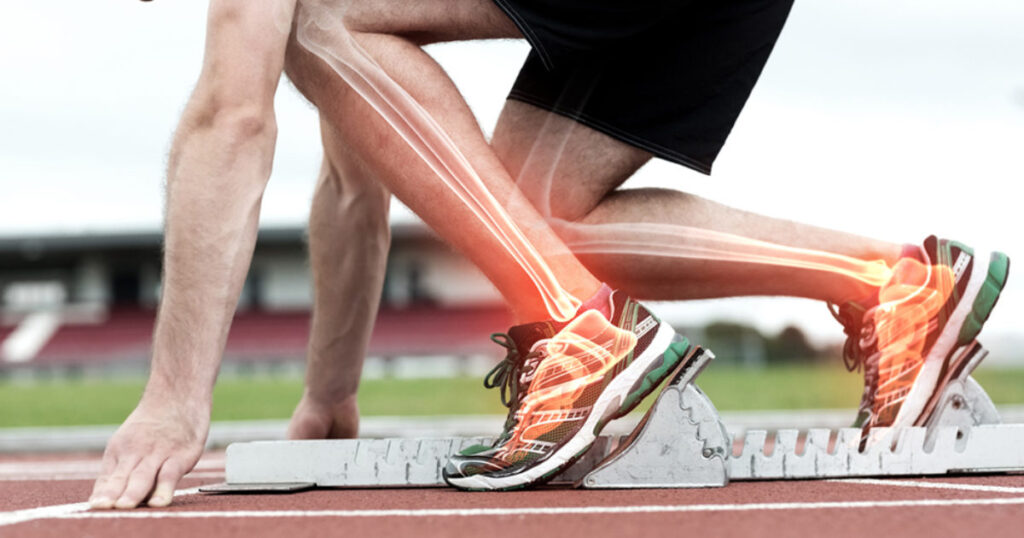
Sports Injuries
Sports injuries sustained during exercise, training, or competition can range from minor strains and sprains to severe ligament tears, tendon or muscle ruptures, and fractures. Common causes include overuse, poor technique, inadequate warm-up, collisions, sudden forceful movements, and the effects of ageing. Many such injuries respond well to rest, physiotherapy, and a gradual return to activity.
More serious injuries—such as ACL ruptures, rotator cuff tears, or severe fractures—often require surgical intervention and lengthy rehabilitation. Effective prevention involves a combination of proper conditioning, flexibility training, suitable equipment, and sport-specific technique, along with early recognition of overuse symptoms to reduce the risk of long-term damage.
Common orthopaedic sports injuries
- Ankle sprain – Occurs when the ligaments around the ankle joint are stretched or torn, usually from rolling or twisting the ankle during running, jumping, or sudden direction changes. Symptoms include swelling, pain, and instability.
- ACL tear – A rupture of the anterior cruciate ligament in the knee, often from sudden stops, pivots, or awkward landings. Common in sports like football, basketball, and skiing. Often requires surgical repair for active individuals.
- Meniscus tear – Damage to the C-shaped cartilage pads inside the knee that act as shock absorbers. Usually caused by twisting the knee while bearing weight. Can cause locking, clicking, and swelling.
- Rotator cuff tear – Partial or complete tear of the tendons and muscles that stabilise the shoulder. Often due to repetitive overhead activity (e.g., swimming, tennis) or trauma. Leads to pain, weakness, and limited range of motion.
- Tennis elbow (lateral epicondylitis) – Overuse injury of the forearm extensor tendons where they attach to the outer elbow. Caused by repetitive gripping or wrist extension, not just tennis. Results in pain and tenderness on the outer elbow.
- Hamstring strain – Stretching or tearing of the muscles at the back of the thigh, often during sprinting or sudden acceleration. Causes sudden sharp pain, bruising, and sometimes difficulty walking.
- Shin splints (medial tibial stress syndrome) – Inflammation of muscles, tendons, and bone tissue along the inner shin. Common in runners and athletes increasing training intensity too quickly. Causes diffuse pain along the shinbone.
- Patellar tendinitis (jumper’s knee) – Inflammation or degeneration of the tendon connecting the kneecap to the shinbone. Caused by repetitive jumping or running. Symptoms include pain just below the kneecap, especially when bending the knee.
- Achilles tendinitis/rupture – Inflammation or sudden tearing of the Achilles tendon at the back of the ankle. Caused by overuse or explosive movements like sprinting and jumping. A rupture often feels like being “kicked” in the back of the leg.
- Shoulder dislocation – Occurs when the upper arm bone (humerus) pops out of the shoulder socket, usually from a fall or collision. Causes intense pain, visible deformity, and inability to move the arm until relocated.
Foot and Ankle Surgical procedures
Ankle Ligament Repair (Broström Procedure)
Achilles Tendon Repair
Surgery to reattach or stitch together a torn Achilles tendon.
ACL Reconstruction
The torn ACL ligament is rebuilt using a graft to restore knee stability
Knee Arthroscopy +/- Meniscal Repair
A small (keyhole) camera and tools are used to visualise and fix knee problems, sometimes repairing torn cartilage.
Rotator Cuff Repair
Torn rotator cuff tendons are repaired using either small incisions and a camera or a mini open procedure. This restores shoulder strength and reduces pain.
Tennis Elbow/ Golfer's Elbow release/debridement
Removal of damaged tendon tissue and reattaching healthy tissue.
Hamstring Reattachment
Torn hamstring tendons are surgically reattached to the pelvis, usually after a complete avulsion injury.
Shoulder dislocation
Bankart repair (reattaching torn labrum) or Latarjet procedure (bone transfer for recurrent instability).