Fractures & Trauma
A fracture means a broken or cracked bone. This can happen from a fall, car accident, sports injury, or from weakened bones due to conditions like osteoporosis. Even stress from overuse (like in runners or athletes) can lead to small cracks called stress fractures.
Types of Fractures:
Simple fracture – the bone is broken but still well-aligned.
Unstable fracture – the broken parts have moved out of place.
Open (compound) fracture – the broken bone comes through the skin; this needs urgent care due to infection risk.
Greenstick fracture – seen in children; the bone bends and cracks but doesn’t break all the way through.
How Fractures Heal
After a break, the body starts to heal by forming a blood clot and soft tissue around the area. New bone cells then grow and slowly repair the fracture. This process can take weeks to months.
Treatment Options
Non-Surgical (Conservative) Treatment:
Casting:
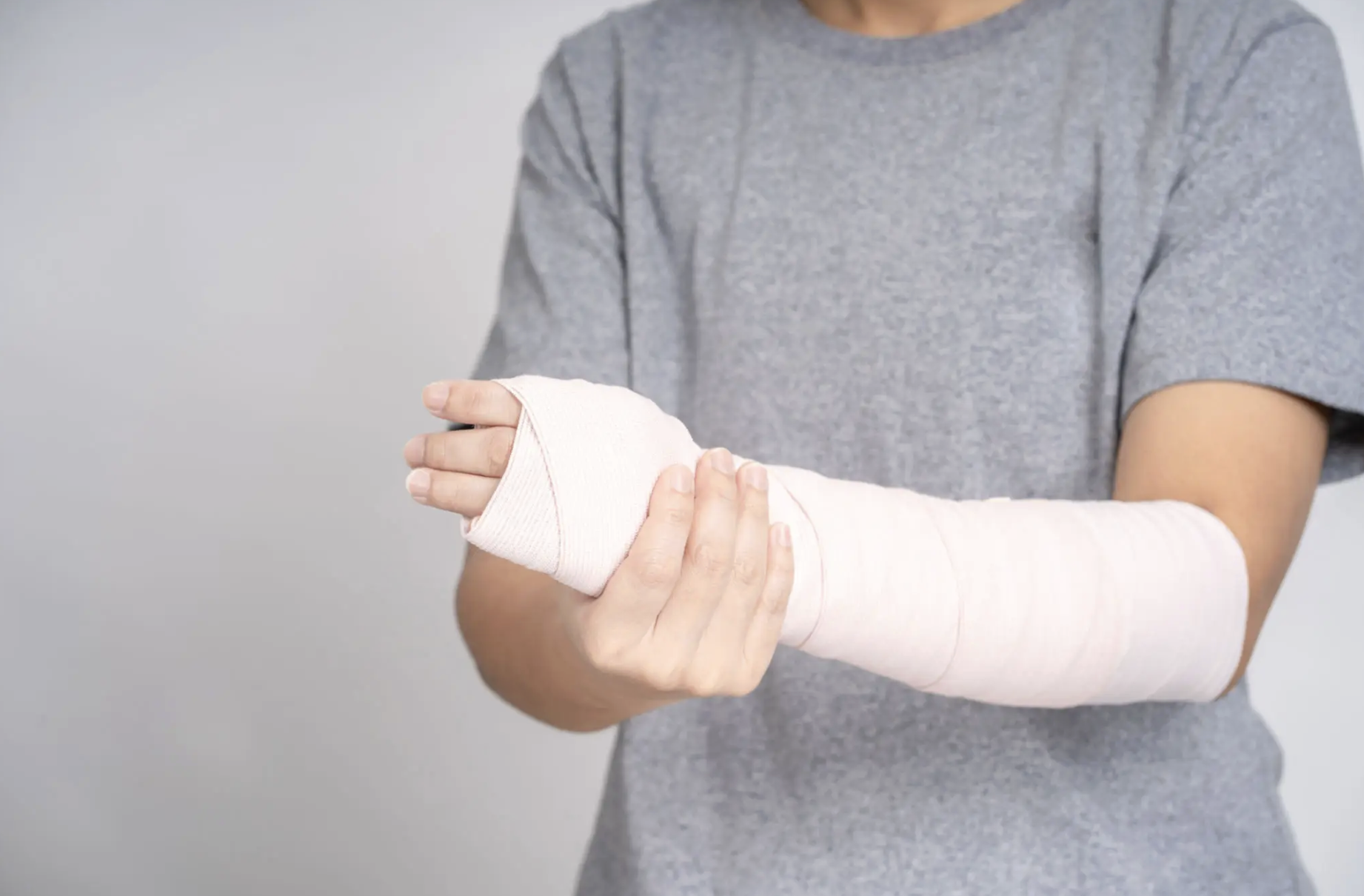
If the bones are still aligned (or can be repositioned), a cast is used to keep them still while healing.
Traction:
Sometimes used when casting isn’t enough. It gently pulls the bones into place using weights, with either:
- Skin traction – tape is attached to the skin
- Skeletal traction – a pin is placed through the bone and connected to weights
Surgical Treatment:
Open Reduction and Internal Fixation (ORIF):
The surgeon makes an incision to realign the bone and holds it in place using metal plates, screws, or rods.
External Fixation:
Metal pins are placed into the bone and connected to a frame outside the body. This is used for:
- Open fractures
- Badly broken bones
- Fractures with soft tissue injuries
- Fractures that haven’t healed properly or are infected
Recovery and Rehabilitation
Healing takes time, and even after a cast or brace is removed, the bone needs time to get strong again. A rehab program with gentle movement and strengthening exercises helps you return to normal activity.